67
S U S TA I NAB I L I T Y R E PORT 2 0 1 2
8.6 Significant spills
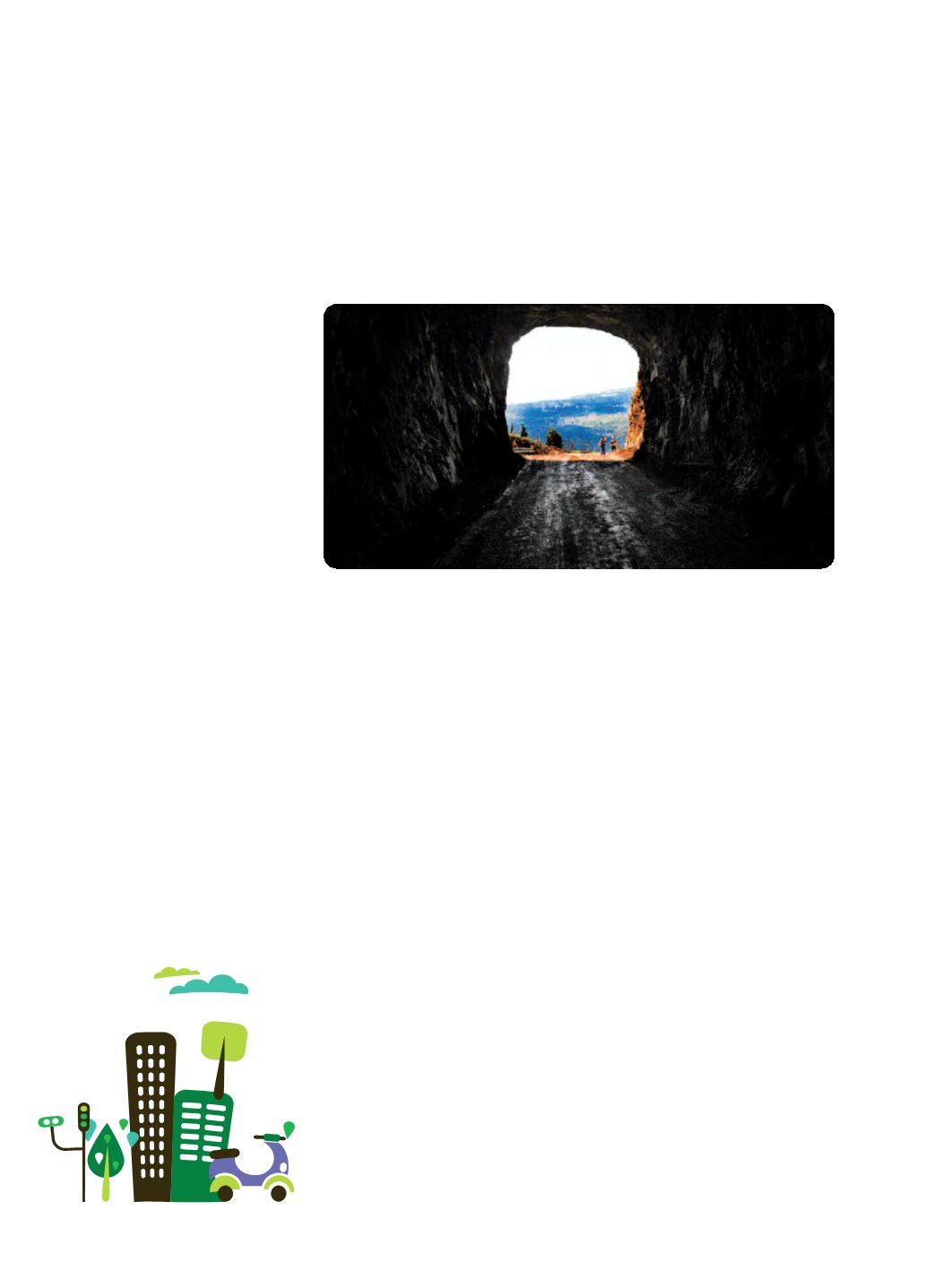
During 2012 a total of 27 incidents
were recorded in DELPHI-DISTOMON
S.A. involving spillage in the soil in un-
derground tunnels, due to the break-
down of machinery, of lubricants
weighing nearly 3.5 tons, a quantity re-
duced by 30% from the corresponding
one for 2011. The company respond-
ed immediately, dealing with the in-
cidents and collecting the contami-
nated soil. No high or medium gravi-
ty environmental pollution incidents
occurred and no incidents were re-
ported involving the spillage of haz-
ardous materials to the environment
by any other Group company.
primary fuel to produce electricity
and by using Combined Cycle Ther-
mal Power Plants (CCGTs) and High
Efficiency Combined Heat and Pow-
er (CHP/High Efficiency CHP) with a
total production capacity of 1,200
MW, which introduce Best Available
Techniques (BATs) and, because of
their flexibility and high efficiency,
contributes towards the reduction
of greenhouse gas emissions. In
Renewable Energy Sources,
PROTERGIA S.A. is already produc-
ing electricity from Wind farms (36
MW in operation), Photovoltaic
plants (11.5 MW in operation) and
small Hydropower plants (6 MW in
operation) and is developing a
1,400 MW portfolio of RES assets in
various licensing stages.
These investments will also sub-
stantially contribute to the efforts
for achieving of the 20-20-20 target
for Greece.
In the EPC sector, METKA S.A. is
planning to replace oil with natural
gas as the fuel used in its Plants and
Offices, to use company cars with
new, low-emissions technology, and
to replace Freon in its refrigerating
machinery with new technology
cooling agents.
We also intend to explore the
prospects regarding the application
of the innovative Carbon Capture
and Storage (CCS) technology.
8.7 Waste management
The efforts to optimise the manage-
ment and utilisation of our waste are
based on the principles of waste min-
imisation and proper disposal. The key
goals of MYTILINEOS Group are to re-
duce the quantity of waste disposed
in landfills and at sea, and to increase
in parallel the use of recycling.
In managing its solid waste,
MYTILINEOS Group follows a clearly
defined procedure with specific stages,
summarised below:
Waste production:
Refers to the
stage where certain types of solid
waste are designated as undesirable
and the decision is taken either to
throw them away or to collect
them for disposing of them centrally.
Sorting of materials for recycling or
recovery takes place at this stage.
On-site management (storage):
During this stage, the future of
waste is decided. On-site storage is
of primary importance because of
aesthetic and public health reasons,
but also because of the financial cost
to the companies.
Collection:
During this stage, waste
are collected and loaded onto their
transport means (usually a vehicle),
for transport to a transfer station,
treatment location or disposal area.
Transport:
Refers to the stage
where waste is transported to a
transfer station and from there to
the treatment location or disposal
area.
Treatment/recovery:
During this
stage, a variety of processes and
equipment are used to either utilise
waste itself by improving certain
characteristics or to obtain useful in-
gredients/components or energy.
Disposal:
This stage refers to the fi-
nal disposal of waste.
During 2012 we permanently dis-
continued the disposal of bauxite
residues at sea. The quantity of non-
hazardous waste disposed through re-
cycling increased by 35% from last
year, and the quantity of waste dis-
patched to Landfills, primary from
aluminium production, increased by
22%.


